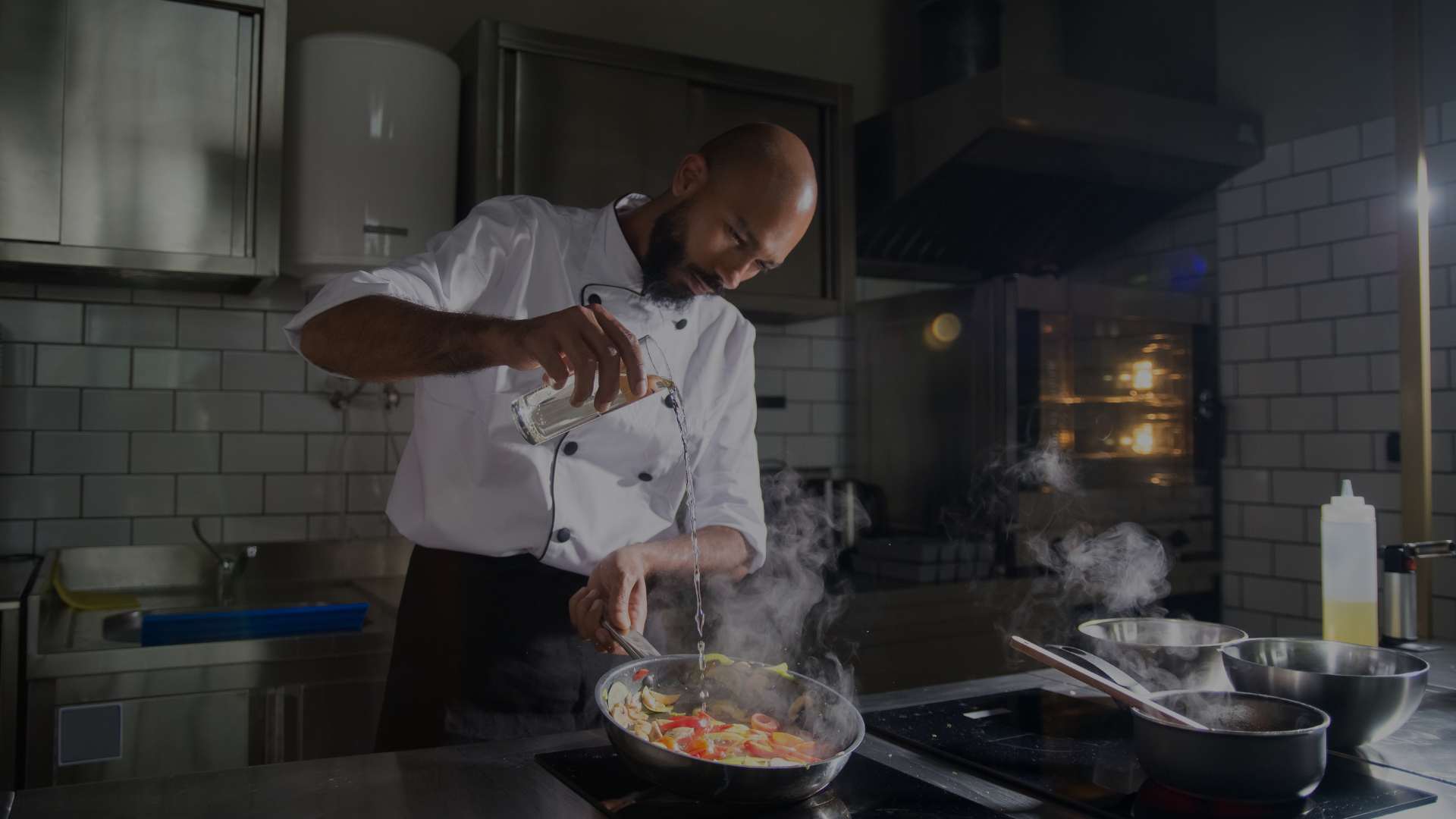
What to look out for in hospitality employment in 2026
We discuss the latest developments and trends in hospitality recruitment, the big changes you need to know about in 2026 and our top tips for staying compliant.
Trends and tips to optimise recruitment and retention this year
Hospitality is one of the UK’s biggest employers, accounting for 7.3% of all jobs. Despite this, we know that employers face several challenges when it comes to reliable employment, with staff retention and recruitment costs topping the list.
So, what is set to change this year for hospitality businesses when it comes to employing staff?
Here we discuss the latest developments and trends in hospitality recruitment, the big changes you need to know about in 2026 and our top tips for staying compliant, whilst making employment profitable for your business.
Staff retention is improving
Starting off with some positive news, the latest research conducted towards the end of 2025 shows that staff turnover has dropped from a huge 75% to 67% across the hospitality industry. The data insights from hospitality data specialists, Pineapple, come from a pioneering survey of 35,000 employees in the sector.
Although this figure still surpasses the national average staff turnover of 15-34% by some way, this is a positive step for the hospitality industry, enabling businesses to build more engaged, loyal and effective teams that drive more efficient operations and boost profits.
Training and development to foster value and purpose
The research undertaken by Pineapple credits better rates of promotion, employee development and training for the improved turnover rates across the UK. Data shows that managerial training is the most important, as managerial vacancies drive higher overall staff turnover.
With recruitment costs rising and high staff turnover proven to negatively affect the customer experience, big players in hospitality, such as Hilton and Marriott, have invested significantly in employee engagement programmes to address the problem.
It’s clear that investment in your staff is paramount to giving them the skills to progress within a business and create a sustainable workforce. Creating competent, confident managers who feel valued and engaged in their roles promotes staff retention across the board and builds teams from the top down.
Comprehensive training not only reassures employees that you are investing in their future, but it also provides them with valuable insights into how your business actually works. By focusing on what makes a financially successful business, employees gain valuable skills and feel empowered to make smart decisions that benefit both their careers and your bottom line.
As well as customer service, focus on these seven key areas: purchasing, cost analysis, menu engineering, waste management, stock control, profit improvement and reporting.
Maximising staff efficiency with technology
The hospitality industry is renowned for being more stressful than many others, with 43% of sector workers reporting heavy workloads and long hours. With hot, pressurised environments sometimes unavoidable, managing team stress should be one of every business owner’s top priorities, as a key element to improving work culture and retaining staff.
The added administrative burden of stock take, waste control, allergen management and reporting can be an extra headache for many workers, on top of their already high-pressure jobs. Specialist software, such as Kitchen CUT, has been designed to simplify everyday admin tasks and alleviate added pressure, allowing hospitality teams to focus on what they do best – producing excellent food and drink and providing the best possible customer service.
By introducing technology, employees from the front-of-house to the kitchen have full visibility over operations and insights into what works and what doesn’t, helping businesses to drive productivity and improve profits, while keeping staff happy.
Automating processes such as orders, payments, and menu changes reduces manual workload, enabling you to invest more hours in the tasks that matter and maximise your team’s full potential.
Work culture is a priority in 2026 to enable hospitality businesses to grow and retain their teams. Perks like extra holiday, free meals and staff socials will fall short if the fundamentals aren’t in place to reduce stress and make day-to-day life easier.
Employee Rights Act: What is changing this year
The Labour government announced a two-year rollout of its new Employee Rights Bill from 2025 to 2027. Many of these changes, designed to better protect workers, will come into effect this year. The top changes will affect every hospitality business owner, so ensure you are prepared for the following:
- A crackdown on zero-hour contracts. Zero-hour contracts aren’t ending, but there are many changes employers need to be aware of throughout 2026 and into 2027, such as more guaranteed hours and more notice for shifts. A big change for hospitality business owners will be that employees must be compensated for any shifts cancelled at the last minute, which could amount to sizable losses if rotas aren’t in line with the business’s footfall.
- The service period for unfair dismissal claims is changing. In 2026, unfair dismissal can now be claimed after 6 months rather than 2 years for new starters. For existing employees, this change will come into effect in January 2027.
- Strengthening of many workers’ rights from April 2026. Changes to redundancy rights, sick pay, bereavement leave, protection for pregnant women, and parental leave will come into effect from April this year through to 2027.
- Big changes to tipping laws. Businesses are now legally obliged to improve transparency and accountability on how staff tips are handled. It will be illegal to withhold tips from team members, and every business must have a written tip policy.
How to prepare for these changes
- Review all staff contracts or get an HR consultant to draw up new ones that are in line with the changes brought about by the Employment Rights Act.
- Review policies covering shift cancellations, notice periods and leave to ensure they are in line with new regulations.
- Ensure better planning for busy and quiet periods. Employ more robust rota systems, such as specialist rota software, to avoid over and understaffing and reduce the impact of the new compensation rules.
- Provide comprehensive and timely training for your management on the new laws, including how to handle employee complaints and requests. Ensure all managers and team members are fully aware of what behaviour is now reasonable under the new legislation through clear, concise communication.
- Utilise technology for business reporting, rota systems and keeping a reliable trail of all employee documents. Gain full visibility into your operations and pull accurate reports whenever needed to ensure your business stays compliant.
It’s clear that a focus on work stress and staff well-being will be key priorities for hospitality business owners in 2026. With impending changes to employment law looming and many businesses in need of more reliable staff to keep afloat, it has never been more important to optimise your operations by boosting staff retention and reducing unnecessary workload to maximise your team’s efficiency.
Follow us
Subscribe for the latest updates, product launches and industry insights.
About Kitchen CUT
Kitchen CUT has evolved from a 30+ year career in the restaurant industry from our founder and Michelin Star chef, John Wood. Our software streamlines your F&B functions, promotoes best working practices and provides accurate real-time data for improved decision making. This ensures your teams have more time to concentrate on what you do best!
Learn more