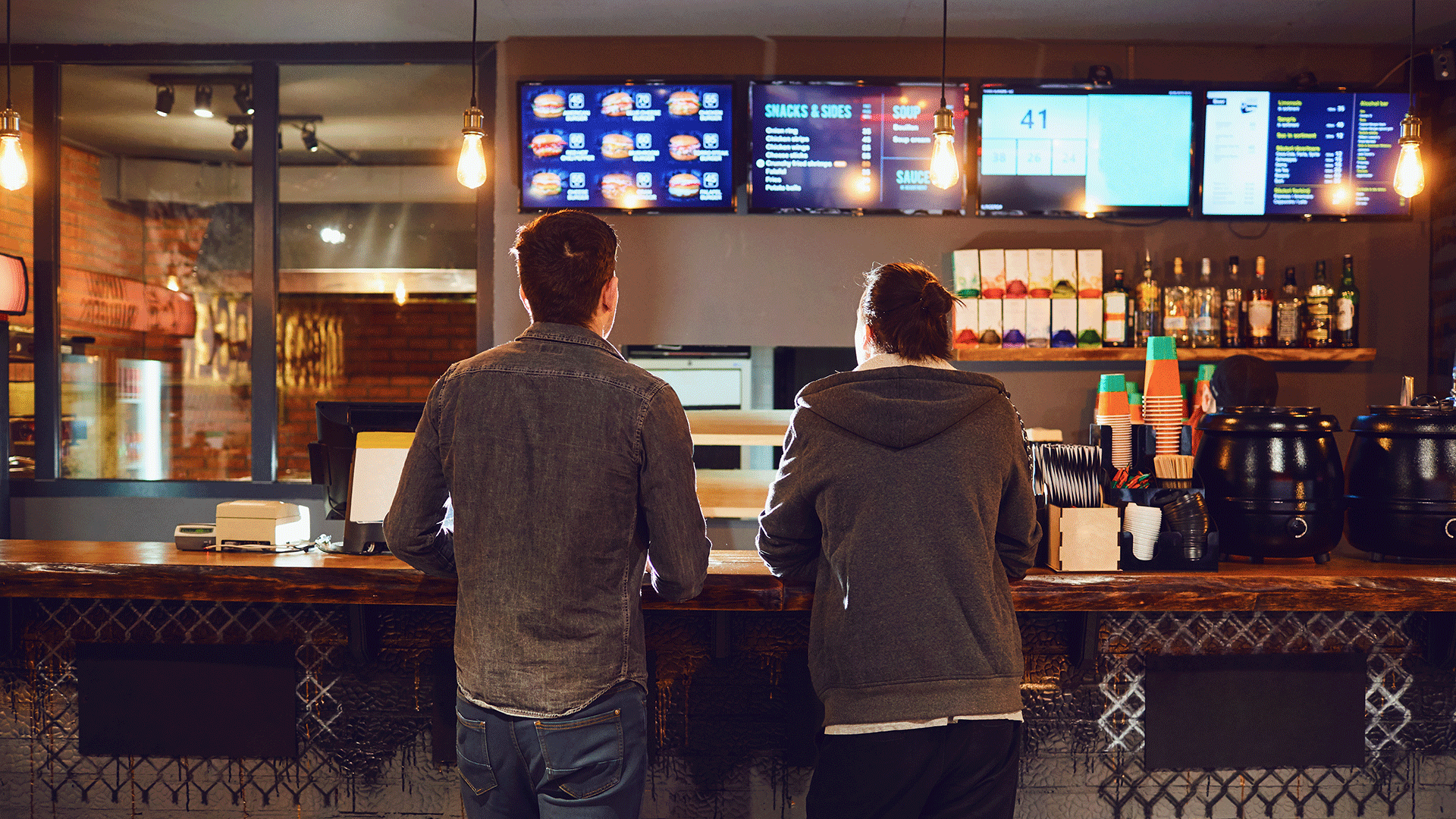
Diversifying your hospitality business
What is diversification and why are so many hospitality businesses doing it? Here, we discuss the smart ways that businesses are branching out to supplement their usual revenue streams, as costs continue to rise.
The hospitality industry has shown incredible resilience over recent years, but most businesses are still undoubtedly facing a multitude of pressures. From tax increases and rising food costs to recruitment challenges, the sector is sure to feel the squeeze in 2026.
In fact, UK Hospitality predicts that over 2,000 businesses will be forced to close this year due to rising costs.
So, how can businesses improve their incomes to protect themselves? Here, we discuss the art of diversification and the unique, smart and profitable ways that restaurants, hotels and other businesses are branching out to supplement their usual revenue streams.
Hotels
- Sports facilities
Rogerthorpe Manor Hotel in Yorkshire recently hit the headlines for its application to open two padel courts within its grounds, which will be open to the public. This creative method to diversify its operations is set to supplement its income by tapping into the growing padel trend, whilst encouraging users to visit its on-site F&B facilities. By investing in their sporting facilities, spas and gyms and opening them to the public on a membership basis, hotels can boost income whilst marketing their other services.
- Co-working spaces
Hotels have long been the hub for business conferences and meetings, but many are taking this a step further to ensure a more regular stream of income. By freeing up some space for remote workers, hotels can tap into the ‘working from home’ trend by offering people a quiet, clean space to escape their kitchen tables. With strong Wi-Fi, power sockets, meeting rooms, desk space and deals on food and drinks, co-working memberships can become lucrative for hotels, especially during off-peak periods.
- F&B
Kitchen CUT Founder and Michelin Star Chef, John Wood has said: “During hotel stays, I will always ask the receptionists where the best places to eat and drink nearby are. Unfortunately, on many occasions, employees mention establishments outside of the hotel, despite the hotel’s own restaurant and bar offerings being just metres away!”
By investing in quality ingredients, talented chefs and staff training, hotels can grow their income by better promoting their on-site food and drink options to guests and visitors, making their restaurants and bars attractions in their own right.
Restaurants and cafes
- Meal kits and retail products
During the COVID pandemic, when hospitality doors were closed, restaurants had to diversify to thrive. In fact, some broke into new markets so successfully that they re-shaped their entire business plans, even when things reopened.
During lockdown, the professional meal kit gained popularity, and these are still an excellent way to generate additional revenue. From Pizza Pilgrims to Rick Stein, even many Michelin Star chefs now have ‘cook-at-home’ versions of their classic dishes that can be delivered to the comfort of your own home.
Retail products such as merchandise, jarred sauces and branded equipment are also methods used to generate extra income, to sell both in-house and online.
- Renting space for business and leisure
During quieter periods, hospitality businesses can generate extra, easy income by renting out their space when they aren’t open to the public. Live music events, workshops, club meetings, private dining, educational clubs, markets and pop-up events are just some of the ways that restaurants and cafes can utilise their space for rent. As previously mentioned, hotels and businesses that are quieter during work hours, such as pubs and bars, have also benefited from offering coworking food and drink deals.
Alongside this, many brands run their own business networking clubs to host local business leaders on a regular basis. After all, businesspeople make influential consumers. The Curry Clubs and Bistro Live Business Club are just two examples of hospitality businesses branching out to cater to new markets and boost income.
- Software to streamline food delivery
Consumers are willing to pay a premium to eat good food at home, so delivery has become a no-brainer for many businesses, with many opting to prepare food at Central Processing Units (CPUs) to save resources.
Managing multiple sites, plus in-house dining and takeaway orders, can become a minefield, so more and more businesses are turning to smart software like Kitchen CUT to optimise operations and cut unnecessary costs.
Kitchen CUT’s Central Processing Unit (CPU) and warehouse software helps brands to manage outlets, kitchens and stores from one device, enabling slick and seamless operations. Standardise recipes to ensure all dishes are of consistent quality and compliant with nutritional and allergen guidelines, whilst delivering top-quality dishes that travel well to achieve the highest margins. What’s more, Kitchen CUT’s CPU software automates stock replenishment, streamlining the ordering process and allowing chefs to order in bulk to save time and money.
So, whether it’s renting your space, selling branded merchandise or streamlining your food delivery services, there are a plethora of ways to add extra income to boost your bottom line. And with no cost relief on the horizon for hospitality businesses, some of these methods may help you to weather the current storm.
Follow us
Subscribe for the latest updates, product launches and industry insights.
About Kitchen CUT
Kitchen CUT has evolved from a 30+ year career in the restaurant industry from our founder and Michelin Star chef, John Wood. Our software streamlines your F&B functions, promotoes best working practices and provides accurate real-time data for improved decision making. This ensures your teams have more time to concentrate on what you do best!
Learn more