The biggest food and hospitality trends of 2026
We discuss what's set to be big in the world of hospitality in 2026, from chicken shops to automated technology.
As we wave goodbye to pistachio, hot honey and other food crazes that seemed to be everywhere in 2025, we’re looking into the trends that are set to be big in the hospitality industry during 2026.
Despite evolving tastes and social media ‘virality’, some trends are standing firm as we move further into the new year, as tighter budgets and higher consumer expectations continue to shape the way we eat out.
And this includes the increasing use of specialist technology.
Here, we take a look at what’s tipped to be the biggest trends in the industry over the coming months and discuss the impact they will have on businesses.
Sharing and small plates
Smaller portions have taken the hospitality industry by storm, with 73% of consumers stating they are very likely to try a new restaurant or cuisine featuring small plates.
Consumer eating habits are changing, with many opting for smaller portions when eating out. In fact, research shows that around 57% of consumers now regularly replace full meals with ‘snacky’ foods.
Small plates are a dominant trend across the UK and an ever-popular culinary format for new hospitality businesses. There are thousands of restaurants across the UK serving dishes such as skewers, charcuterie boards and bao buns, giving chefs more culinary freedom to experiment with flavours. These dishes are often proving more profitable than a la carte menus, as customers order multiple dishes at £8-12 a plate. What’s more, dishes tend to come out of the kitchen at various times throughout the sitting, giving both back- and front-of-house staff greater flexibility whilst keeping guests happy.
Chicken shops
The fastest growing restaurant type in the UK, chicken shops have seen 7.2% growth in the past year alone. Contributing to this explosion is the boom in US and Korean chains opening their doors in the UK, such as the ‘viral’ brands KoKo Doo, Raising Cane’s and Chick-fil-A.
This trend caters to younger audiences, with 52% of Gen Z and 47% of Millennials having eaten at a chicken shop in the past year, their popularity in part due to social media trends. The budget-friendly nature of fried chicken is also appealing, as the cost-of-living crisis continues to affect dining habits.
Competing quick-service restaurants such as McDonald’s and Domino’s are tapping into this growth by introducing more chicken options and spin-off brands alongside their traditional offerings.
And it’s not just convenience restaurants. Many hospitality businesses are capitalising on this growth in chicken popularity, with fried chicken becoming a regular menu feature across many cuisines and top chefs elevating this fast-food staple to Michelin-star levels.
This growing trend will impact other quick-service businesses, such as fish and chip shops, which have dropped from 25,000 in the 1930s to 9,000 currently open in the UK, with around a third facing severe financial pressure due to rising food and tax costs.
Technology for an automated customer experience
As customers come to expect speedy, personalised service, hospitality businesses are implementing more software than ever to keep up with the competition.
With almost every aspect of our daily lives now automated in some way, eating out is no different. Customers expect contactless payments and online menus to streamline the ordering process and cut the time spent waiting for food to arrive, especially within more casual settings.
Kitchen CUT works with some of the world’s leading technology providers to ensure hospitality businesses can deliver the very best in automated service, including Purchase-to-Pay (P2P) systems.
Through Kitchen CUT’s strategic partnership with Purchase-to-Pay software provider Yooz, customers can automate purchase orders, approvals, invoice matching and payment processing, giving staff more time to focus on providing an excellent customer experience.
Reducing manual entry not only speeds up the payment process but also minimises errors, enabling businesses to run more efficiently by creating visibility and control over spending, whilst giving finance teams instant access to purchasing data and allowing them to better track budgets.
Artisanal bakeries
Bakeries have fast become a huge player in the booming UK food scene in recent years, with the popularity of sourdough and artisanal goods fuelling the growth of upmarket chains and independents across the country. Front-runner, Gails, is set to open 40 new stores across the UK in 2026 alone.
This explosion is in part due to consumers moving towards ‘minimal ingredient’ goods and real baked bread, shifting away from ultra-processed foods.
There is no doubt that sourdough has transformed the hospitality industry, and bakeries are expected to see a 33% increase in market growth this year. Restaurants have also taken note of this, with the humble breadbasket becoming a key part of many menus to wow guests with freshly baked artisanal breads.
Transparent, labelled menus
The number of customers with food allergies is growing, with 2.4 million adults now suffering. To cater to this growing demand for allergy-sensitive menus and remain compliant with legislation, it’s now essential for restaurants to keep their menus updated with the 14 main allergens. Not only that, but customers are expecting high-quality alternatives and fully transparent menus for a truly inclusive dining experience.
In busy, high-pressure environments such as professional kitchens, where dishes are constantly evolving, it’s easy for admin tasks, such as menu updates, to be missed when chefs opt to substitute ingredients or change suppliers.
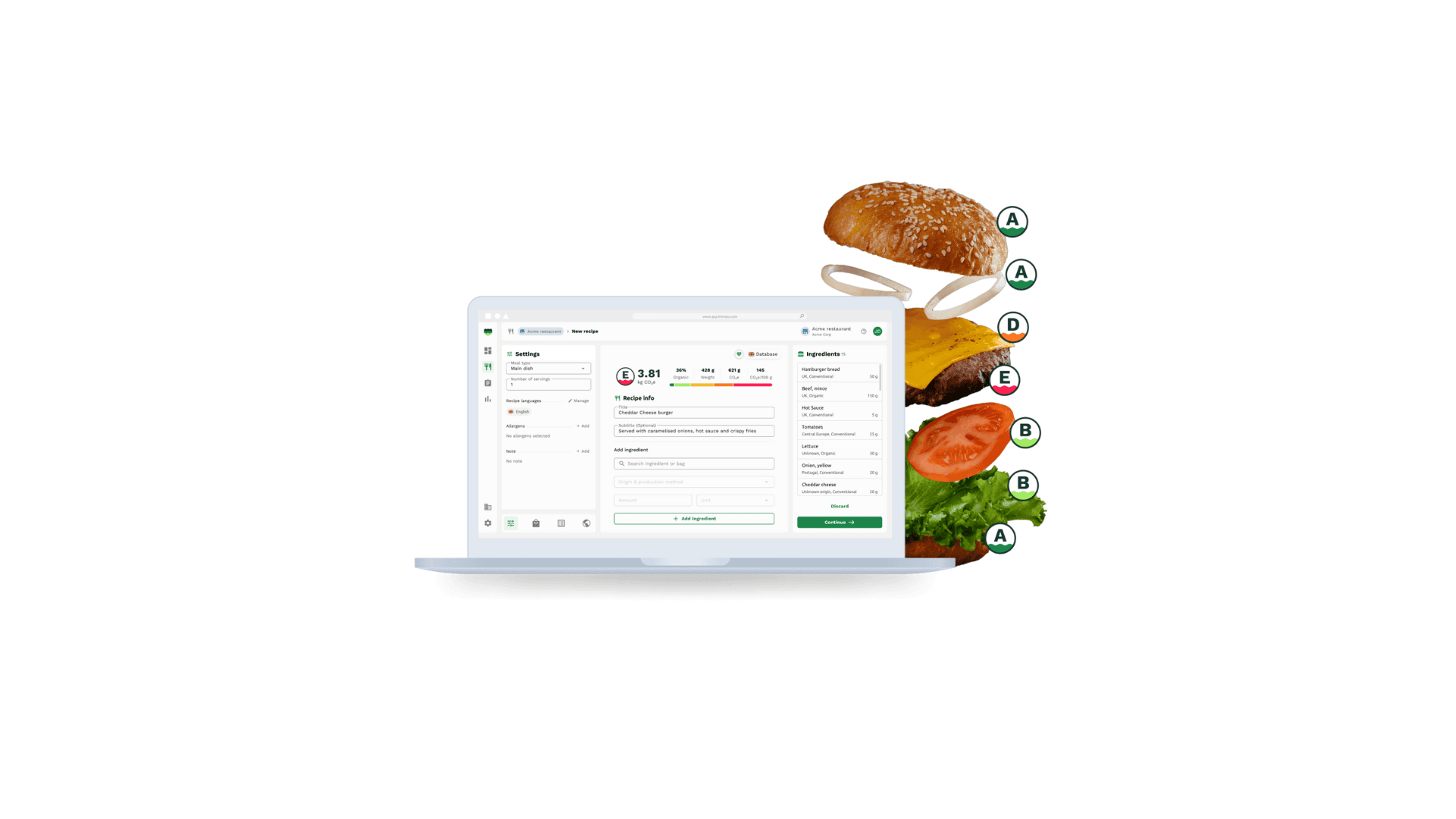
To ensure allergens are never left out, Kitchen CUT software will automatically update the allergen, CO2, and nutrition labels on each dish and menu as ingredients are added or removed.
In addition to saving hours of admin time, technology can give chefs more freedom and creativity when designing menus to comply with allergen laws and cater to the growing consumer expectations for allergen-friendly dishes.
Not only do these digital menus offer full transparency for customers, widening a business’ customer base and helping to increase footfall, but they also provide business owners with peace of mind, knowing that accurate allergens are clearly displayed for customers to see.
Customised and personalised dishes
The trend of customisation won’t only apply to allergy sufferers this year.
More and more businesses are offering ‘build your own’ menus and customisable dishes, to cater for the evolving list of dietary requirements and eating habits, especially amongst younger customers.
Hospitality businesses with a ‘build your own’ concept are gaining popularity, such as Farmer J’s ‘field tray’ offering, which serves top-quality, locally sourced salads and sides for customers to build their own dishes. Bigger chains like Wagamama have also expanded their menus of customisable dishes, enabling customers to create their own ideal meals.
This trend enables customers to swap in and out ingredients, be flexible with portion sizes and adjust their meals to suit their budget and dietary choices. With the rise in smaller meals and snacky foods, this trend taps into the ‘anytime’ market, catering to the growing pool of customers who want quality food options on their own terms, accompanied by efficient yet personalised service.
To conclude
Like avocado on toast, salted caramel, service robots and other fads of years gone by, many food trends come and go, but some stand the test of time.
One thing’s for certain, in 2026, technology is here to stay. And with a specialist technology stack, businesses are more likely to efficiently cater to the ever-changing tastes of today’s consumers.
Follow us
Subscribe for the latest updates, product launches and industry insights.
About Kitchen CUT
Kitchen CUT has evolved from a 30+ year career in the restaurant industry from our founder and Michelin Star chef, John Wood. Our software streamlines your F&B functions, promotoes best working practices and provides accurate real-time data for improved decision making. This ensures your teams have more time to concentrate on what you do best!
Why Kitchen CUT?